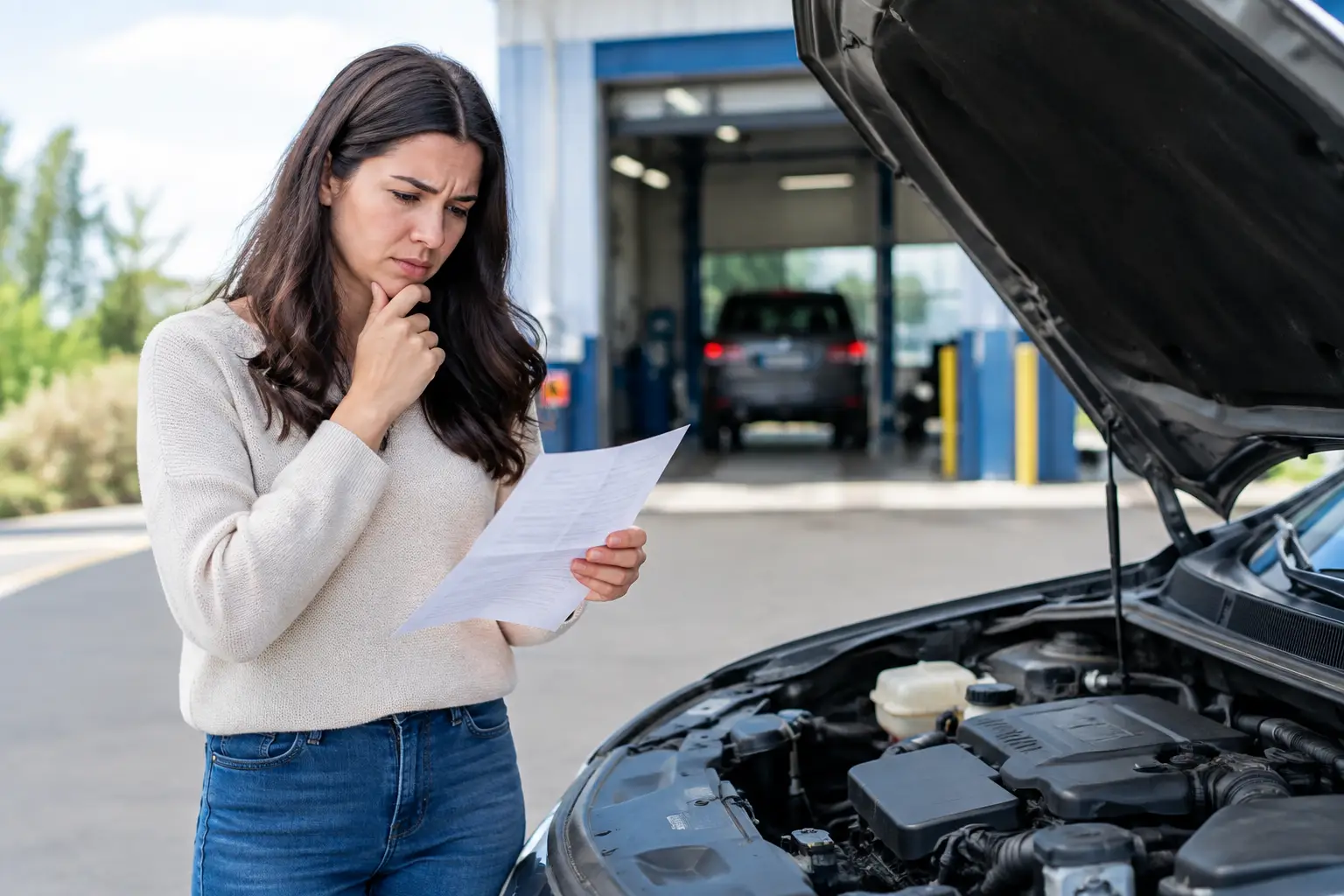
A failed smog inspection can stop a registration renewal in its tracks, but it does not automatically mean your vehicle needs an expensive repair or should be taken off the road. Knowing what to do after failing smog test requirements in California starts with one document: the Vehicle Inspection Report, often called the VIR. That report tells you why the vehicle did not pass and helps you avoid paying for work that will not solve the actual issue.
For many California drivers, the next decision is practical rather than technical: repair the vehicle, diagnose it further, explore assistance programs, or consider a vehicle-retirement path. The right answer depends on the failure type, the vehicle’s condition, your registration deadline, and the likely cost of getting it compliant.
Start With the Failure Report, Not a Guess
Keep the VIR from the test station and read the failed section carefully. A smog inspection may fail because of excessive tailpipe emissions, an illuminated check engine light, an emissions-related trouble code, an incomplete onboard diagnostic monitor, or a visible problem with required emissions equipment. These are different problems with different solutions.
If the report lists diagnostic trouble codes, write them down exactly. A code points to the system that detected a problem, not always the part that needs replacement. For example, an oxygen-sensor-related code can be caused by wiring, an exhaust leak, a vacuum leak, fuel-control issues, or the sensor itself. Replacing parts based on the code alone can become costly quickly.
For newer vehicles, the inspection often relies heavily on the onboard diagnostics system. If the check engine light is on, the vehicle generally will not pass. If the light is off but readiness monitors show “not ready,” the vehicle may still fail or be unable to complete the test, depending on the monitor status and model year.
Do Not Clear Codes Right Before a Retest
Disconnecting the battery or clearing the check engine light with a scan tool may turn the light off temporarily, but it also resets the readiness monitors. The vehicle must then complete a proper drive cycle so its computer can run self-checks. Showing up immediately for another test after clearing codes often leads to another failure because the monitors are incomplete.
More importantly, clearing a code does not repair the condition that caused it. If the fault returns, the check engine light can come back before or during the readiness process. A qualified diagnosis is usually the faster route than repeated testing.
If a repair facility clears codes as part of legitimate work, ask whether the vehicle is ready for a retest and whether it needs additional driving first. Keep all repair invoices, diagnostic paperwork, and the original VIR. Documentation can matter if you later explore a repair-assistance, waiver, or retirement option.
Decide Whether the Issue Is Simple, Diagnostic, or Major
Some smog failures have a straightforward cause. A loose or damaged gas cap, a failed ignition component, worn spark plugs, a cracked vacuum hose, or a malfunctioning sensor may be repairable without a major investment. A visual inspection issue may involve a missing, disconnected, or incorrectly modified emissions component that needs to be restored to an approved configuration.
Other failures require deeper diagnosis. High hydrocarbon, carbon monoxide, or nitrogen oxide readings can involve the ignition, fuel, air-intake, exhaust, catalytic converter, engine condition, or several systems working together. Older vehicles can be especially difficult because one worn component may reveal another problem after repairs begin.
Before authorizing costly work, ask the repair facility to explain three things in plain language: what failed, what test or evidence supports the diagnosis, and whether the proposed repair is expected to correct the smog failure. Request a written estimate that separates diagnostic charges, parts, labor, and any follow-up testing.
A second opinion can make sense when the recommended repair is expensive, the diagnosis is uncertain, or the vehicle has a history of recurring emissions problems. The lowest estimate is not always the best value if it is based on replacing parts without confirming the cause.
Check Your Registration Timeline Before You Commit
A failed smog test does not eliminate your DMV obligation. Review your registration renewal notice and confirm the due date, fees, and smog certification requirement. California registration rules, penalties, and available options can depend on the vehicle’s status and timing, so do not assume an extension applies simply because repairs are underway.
If you are close to the registration deadline, start organizing your records immediately. Keep the VIR, renewal notice, proof of insurance, title or registration documents, and all repair-related receipts together. This reduces delays when speaking with the DMV, a repair facility, or a compliance guidance provider.
Avoid driving an unregistered vehicle except where state rules allow it. A failed inspection is frustrating, but letting registration lapse without understanding the consequences can create a separate DMV issue beyond the original emissions problem.
Consider California Assistance and Retirement Pathways
When a vehicle needs substantial work, it is reasonable to compare repair costs with the vehicle’s value and reliability. California has programs and processes that may help certain eligible motorists with emissions-related decisions, but eligibility requirements, funding availability, vehicle status, and documentation rules can change. Do not make plans based on an assumption that you will qualify.
For some owners, repairing the vehicle remains the best choice. This may be true when the failure is isolated, the vehicle is otherwise dependable, and the repair cost is proportionate to its value. For others, especially owners of older vehicles with repeated failures or major mechanical concerns, retirement may be worth evaluating before investing more money.
Vehicle retirement is not the same as selling a car privately, donating it, or simply taking it to a dismantler. A qualifying retirement path can have specific rules regarding ownership, registration, operability, inspection history, and paperwork. Starting the process without confirming eligibility can lead to wasted time or an outcome that does not resolve your registration question.
This is where prequalification is useful. SoCal Smog Retirement & CARB Testing helps California vehicle owners review their situation before moving forward, including whether a repair, retirement, or another compliance step may fit their circumstances. A guided review can be particularly helpful when information from a smog station, repair shop, DMV notice, and state program does not seem to line up.
What to Do After Failing a Smog Test: A Practical Order of Operations
The most efficient next step is usually to follow a clear sequence rather than reacting to the failure with an immediate retest. First, save the VIR and identify the exact reason for failure. Next, obtain a diagnosis from an appropriate repair professional if the issue is not obvious. Then compare the likely repair cost with the condition and value of the vehicle.
After that, verify your registration deadline and determine whether assistance, waiver-related information, or retirement prequalification should be part of your decision. Finally, complete the repair and required drive cycle before retesting, or proceed with the retirement or compliance option for which you are actually eligible.
Retesting before the underlying issue is corrected usually adds another fee without changing the result. The exception is an administrative or testing error, which should be raised promptly with the station and supported by the inspection paperwork.
Bring the Right Records to Every Step
Smog and registration problems often feel harder than they are because the information is scattered. The test station has the inspection result, the repair shop has diagnostic findings, the DMV has registration requirements, and state programs may have their own eligibility screens. Keeping your documents together gives you a clearer picture and makes it easier to receive accurate guidance.
Your file should include the current VIR, previous smog results if available, repair estimates and receipts, registration renewal notice, current registration, title information if relevant, and any notices from the DMV or a state program. If the vehicle has aftermarket parts or has been modified, bring documentation for those components as well. California emissions compliance can depend on whether parts are approved for the vehicle application.
A failed smog test is a decision point, not a dead end. Take the report seriously, avoid shortcuts that reset the vehicle without fixing it, and choose the path that makes financial and regulatory sense for your vehicle. With the right records and a clear next step, you can move from a failed test toward a workable California compliance outcome.