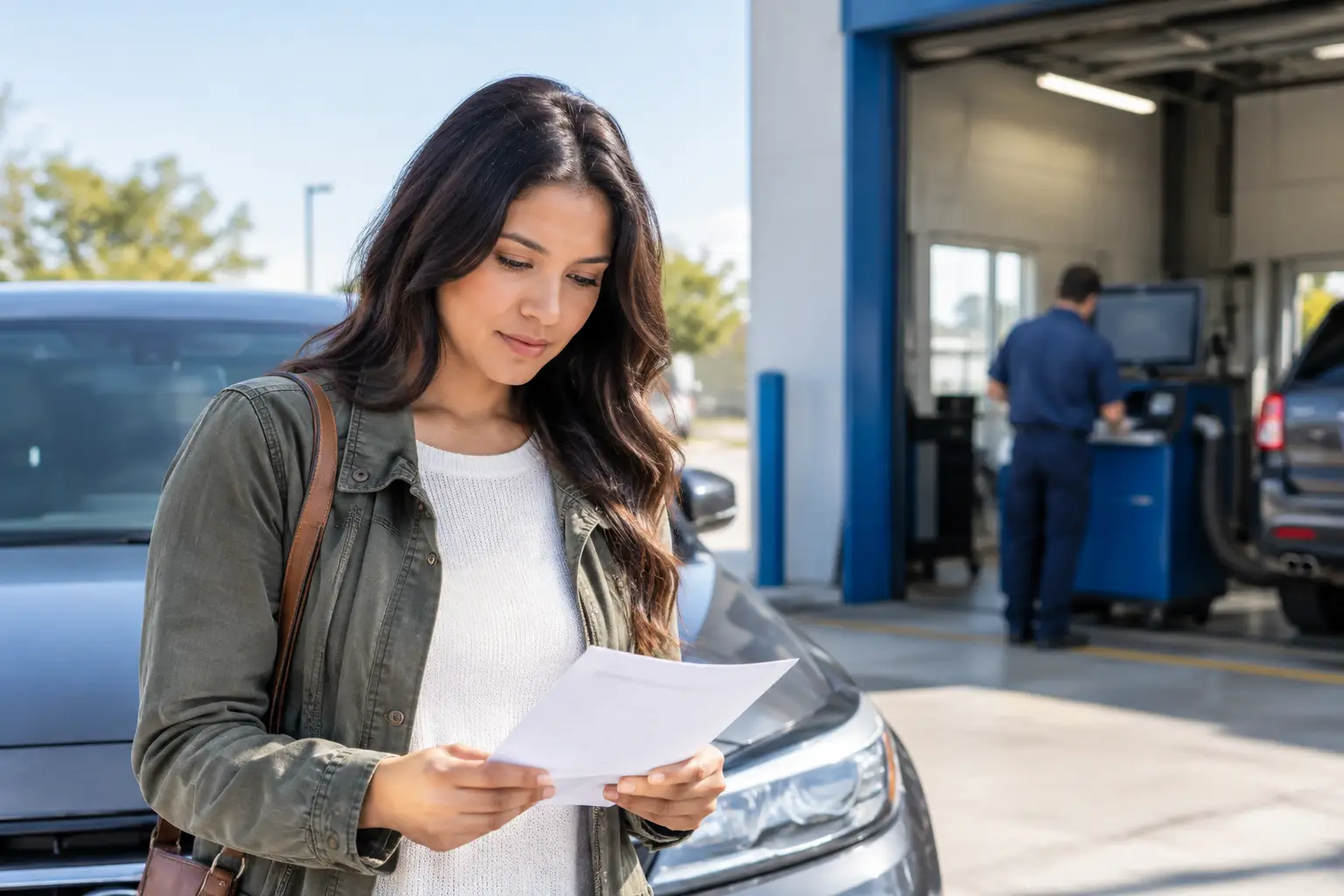
A DMV registration hold smog test issue usually appears at the most inconvenient time: when you are ready to renew, sell, transfer, or get back on the road. In California, the hold may be connected to a missing smog certification, a failed inspection, an incomplete repair process, or a separate DMV requirement that happens to appear alongside the smog issue. The fastest path forward is identifying exactly what the DMV record requires before paying for repairs or another test.
What a DMV Registration Hold Can Mean
A registration hold means the DMV cannot complete a registration transaction until a specific requirement is satisfied. Smog certification is a common reason, particularly for gasoline vehicles that are due for a biennial inspection or are being transferred to a new owner.
The key point is that a registration hold is not always the same thing as a smog test failure. A vehicle can pass a smog inspection but still have a registration problem because of unpaid fees, insurance reporting, an incomplete ownership record, or another DMV hold. Conversely, a vehicle can have no other DMV issues but remain unable to renew because the required smog result has not been received or the vehicle did not pass.
Start by reading the DMV renewal notice, online account message, or notice of registration status carefully. Look for language such as “smog certification required,” “failed smog inspection,” or “registration suspended.” Those phrases point to different next steps.
How the DMV Registration Hold Smog Test Process Works
For most eligible vehicles, a licensed California smog station sends the inspection result electronically. You generally do not need to take a paper certificate to the DMV after a passing test. However, electronic transmission does not remove every possible delay. The vehicle identification number, license plate, and registration information must match the DMV record, and processing can take time in some situations.
If your renewal is due, the normal sequence is straightforward: complete the required smog inspection, confirm a passing result has been transmitted, pay the renewal fees, and verify that no other hold remains. Problems arise when one of those steps cannot be completed.
A failed inspection means the station cannot issue a passing certificate. Repeated testing without correcting the underlying emissions or readiness problem usually adds cost without moving the registration forward. Ask for the vehicle inspection report and keep it with your repair records. It identifies the failed emissions category or onboard diagnostic issue and gives a repair professional a useful starting point.
Check Whether You Were Sent to a STAR Station
Some California vehicles are directed to a STAR-certified station. This designation may be based on DMV requirements, vehicle history, model year, or other state criteria. A pass from a station that does not meet the required designation may not satisfy the registration requirement.
Before scheduling another appointment, review your renewal notice or DMV record to determine whether a STAR inspection is required. This small check can prevent paying for a test that does not clear the hold.
Do Not Assume a Recent Test Covers Every Transaction
A prior smog certificate may still be valid for a limited period, but its usefulness depends on the transaction and timing. Registration renewal, a private-party sale, and a vehicle transfer can have different requirements. A certificate connected to an earlier transaction may not resolve a current DMV request.
When the timing is close, confirm the requirement against the registration transaction you are trying to complete rather than relying on a previous test result.
If Your Vehicle Failed the Smog Test
A failure does not automatically mean the vehicle needs an engine replacement or major repairs. Sometimes the issue is a malfunction indicator light, an evaporative-emissions fault, a faulty sensor, an exhaust leak, or readiness monitors that are not complete after recent repairs or a battery disconnect. The right repair depends on the inspection report and the vehicle’s diagnosis.
Avoid clearing diagnostic codes immediately before retesting. Clearing codes can reset the vehicle’s readiness monitors, and an otherwise repaired vehicle may still fail because the onboard system has not completed its self-checks. A qualified repair provider can explain whether the vehicle needs additional driving time and conditions before it is ready for another inspection.
Keep invoices, estimates, and the failed inspection report. Documentation matters if you later need to evaluate repair assistance, an eligibility-based waiver, a referee appointment, or a vehicle-retirement pathway. It also helps you compare the realistic cost of compliance against the vehicle’s condition and value.
When Repairs Are Not the Best Financial Choice
For an older vehicle, the decision is not always “repair it at any cost.” A car may need emissions repairs, but it may also have transmission problems, safety concerns, high mileage, expired registration, or other work approaching. Spending thousands of dollars to obtain one passing result may not make sense if the vehicle has larger reliability issues.
California programs and options can apply differently depending on income, vehicle eligibility, ownership status, registration history, and the reason for the failed inspection. Repair assistance or waiver-related relief may be available in limited circumstances, but neither is automatic. Eligibility rules, spending thresholds, and required documentation can affect the outcome.
Vehicle retirement can be worth evaluating when the vehicle is no longer practical to repair and meets applicable program conditions. It is not simply a way to dispose of any car with a DMV hold. The vehicle, title status, registration status, and program rules must be reviewed first. If you are considering retirement, resolve the eligibility question before authorizing expensive repairs that may not change your decision.
Documents to Gather Before You Call or Apply
Having the right records makes a DMV or compliance conversation much more productive. Gather your current registration or renewal notice, the vehicle identification number, the failed vehicle inspection report if applicable, and all repair invoices or estimates. If the vehicle has changed ownership, bring title and transfer documents as well.
It is also useful to write down the exact message shown in the DMV system and the date of your most recent smog test. A vague statement such as “the DMV says I have a hold” can mean several things. The actual notice language helps separate a missing certification from a failed test, an insurance issue, a fee issue, or a title-related problem.
For Southern California owners managing an older or difficult-to-pass vehicle, a prequalification review can help clarify whether repair, retesting, retirement, or another compliance step is the more practical route. SoCal Smog Retirement & CARB Testing helps customers organize that decision before they commit to the wrong process.
Common Questions About Smog-Related Registration Holds
Can I renew my registration before fixing a smog failure?
Usually, no. If the DMV requires a passing smog certification for renewal, the registration cannot be completed until that requirement is satisfied or another applicable state process is approved. You may still be able to pay certain fees, but payment alone does not remove a smog-related hold.
My car passed, but the DMV still shows a hold. What should I do?
First, confirm that the inspection was completed at the required type of station, including STAR if directed. Then verify the vehicle information used by the station matches the DMV record. If the result has been transmitted and the hold remains, there may be another registration issue separate from smog certification. Do not assume another test is needed until the DMV identifies the remaining requirement.
Can I sell a car that does not pass smog?
California sales and transfers have specific smog responsibilities, and the answer can depend on the type of transaction, vehicle age, and exempt status. In many private-party sales, the seller is expected to provide a valid smog certification. Selling a vehicle with an unresolved failure without understanding the requirements can create transfer and registration problems for both parties.
Will a smog hold add late fees?
It can. If registration is not completed by the due date, penalties may apply even while you are addressing a failed inspection. The exact impact depends on the registration status and timing. Address the hold promptly, retain your records, and confirm what fees remain due rather than waiting for the issue to resolve itself.
A DMV hold is frustrating, but it is also specific: there is a record, a requirement, and a path to verify. Start with the exact DMV message and the most recent smog report, then choose the option that fits the vehicle’s condition and your realistic next step.